Optimizing Passenger Flow on Cruise Ships with 3D LiDAR
Outsight’s 3D LiDAR-based Spatial Intelligence helps cruise operators track passenger movement in real time, reduce congestion, and optimize resources, ensuring smoother operations and enhanced guest experiences.

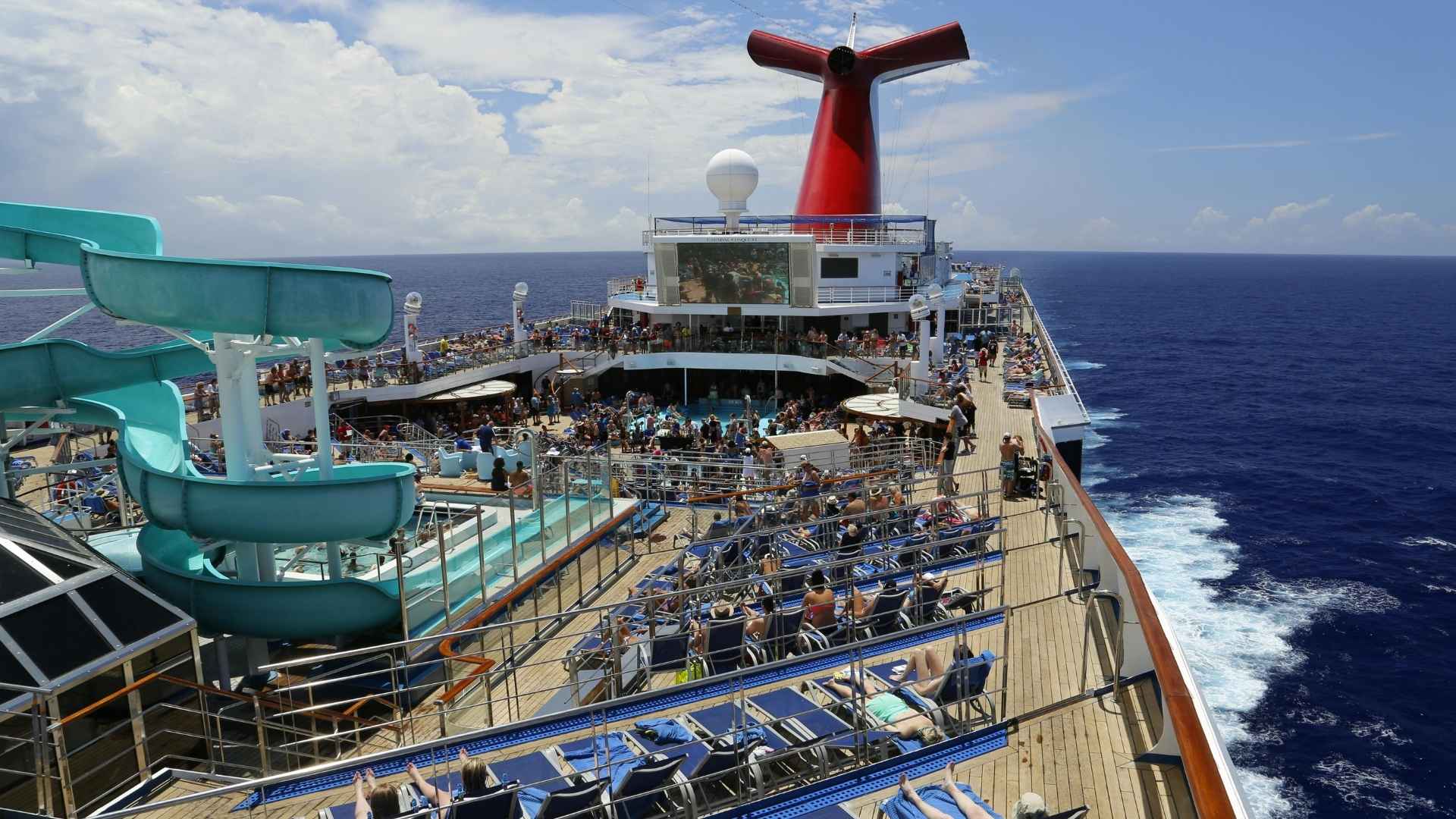
Cruise ships are floating cities, with passengers and crew members living and working in a complex, dynamic environment across multiple floors and vast spaces. As the cruise industry grows, so does the size and capacity of these ships.
With these growing numbers and spaces, monitoring passenger flow has never been more crucial.
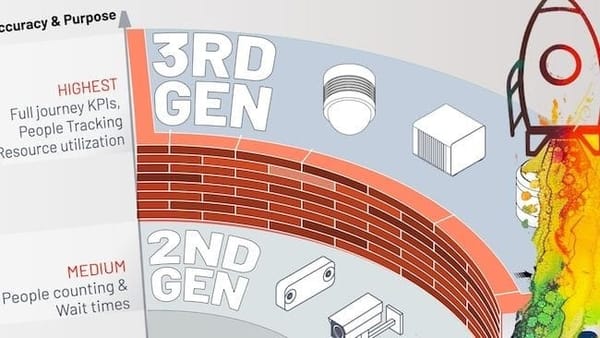
Maintaining safety and privacy, ensuring comfort, and optimizing operational efficiency on a cruise ship requires an accurate understanding of how passengers move throughout the ship. Traditional methods of monitoring passenger movement often fall short, failing to provide the real-time insights necessary for such a fast-moving and dynamic environment. This is where third-generation perception technologies, like 3D LiDAR, come in.
 Anne-Sophie Dubois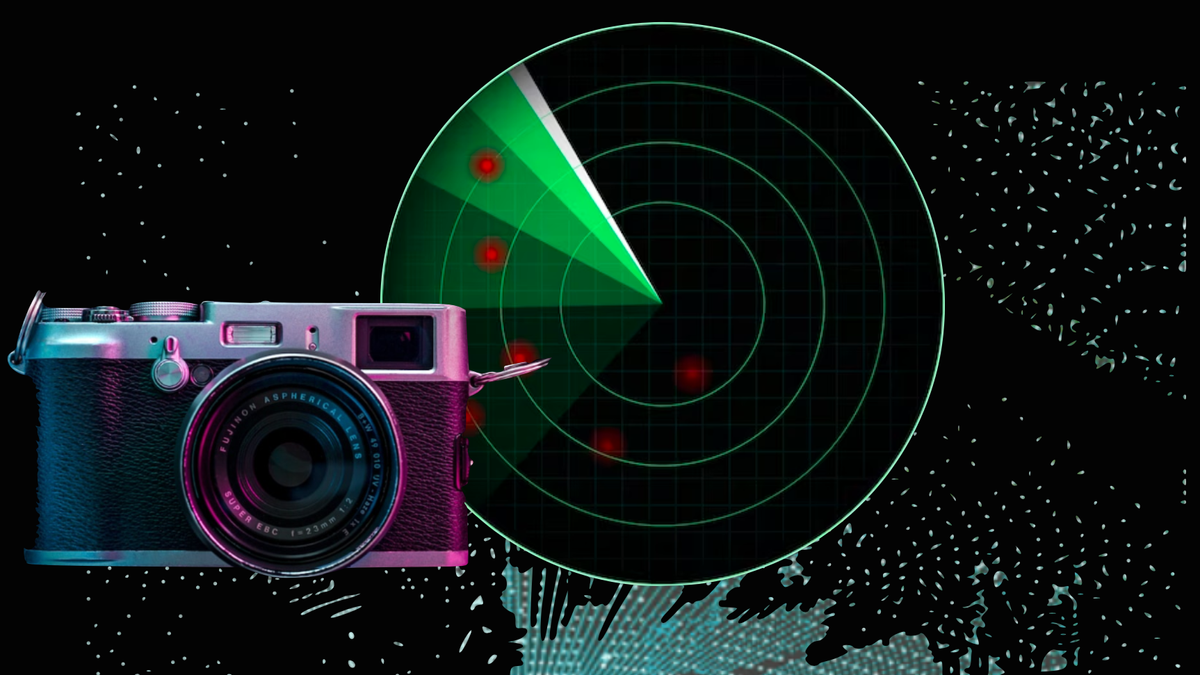
Why Monitoring Passenger Flow Matters in Cruise Ships
Monitoring the flow of passengers on cruise ships is essential for several reasons:
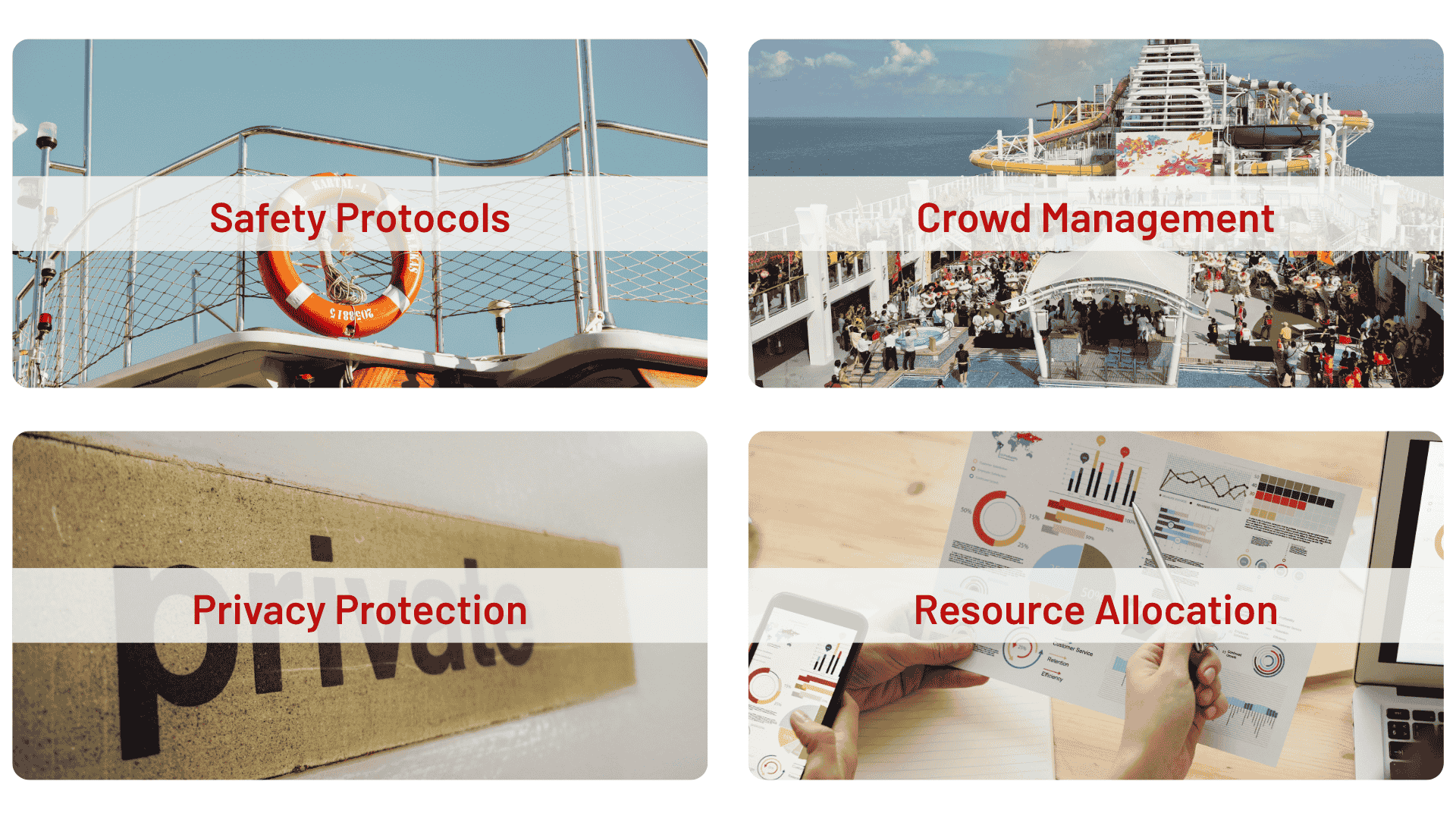
- Safety protocols: Ensuring passengers are distributed safely and not congregating in risky areas.
- Privacy protection: Unlike camera-based systems that rely on personal imagery, LiDAR-based monitoring provides accurate, anonymous insights, tracking movement and density without capturing any identifiable data.
- Crowd management: Preventing bottlenecks, especially during high-traffic moments like embarkation, disembarkation, or mealtimes.
- Resource allocation: Effectively distributing resources such as staff, security, and services where they are needed most.
During the embarkation and disembarkation processes, passengers move through narrow corridors and checkpoints in large groups. Without effective passenger flow monitoring, bottlenecks can occur, leading to delays and potential safety risks. With real-time data, operators can anticipate these issues and take action before they escalate, while maintaining the highest privacy standards for guests.
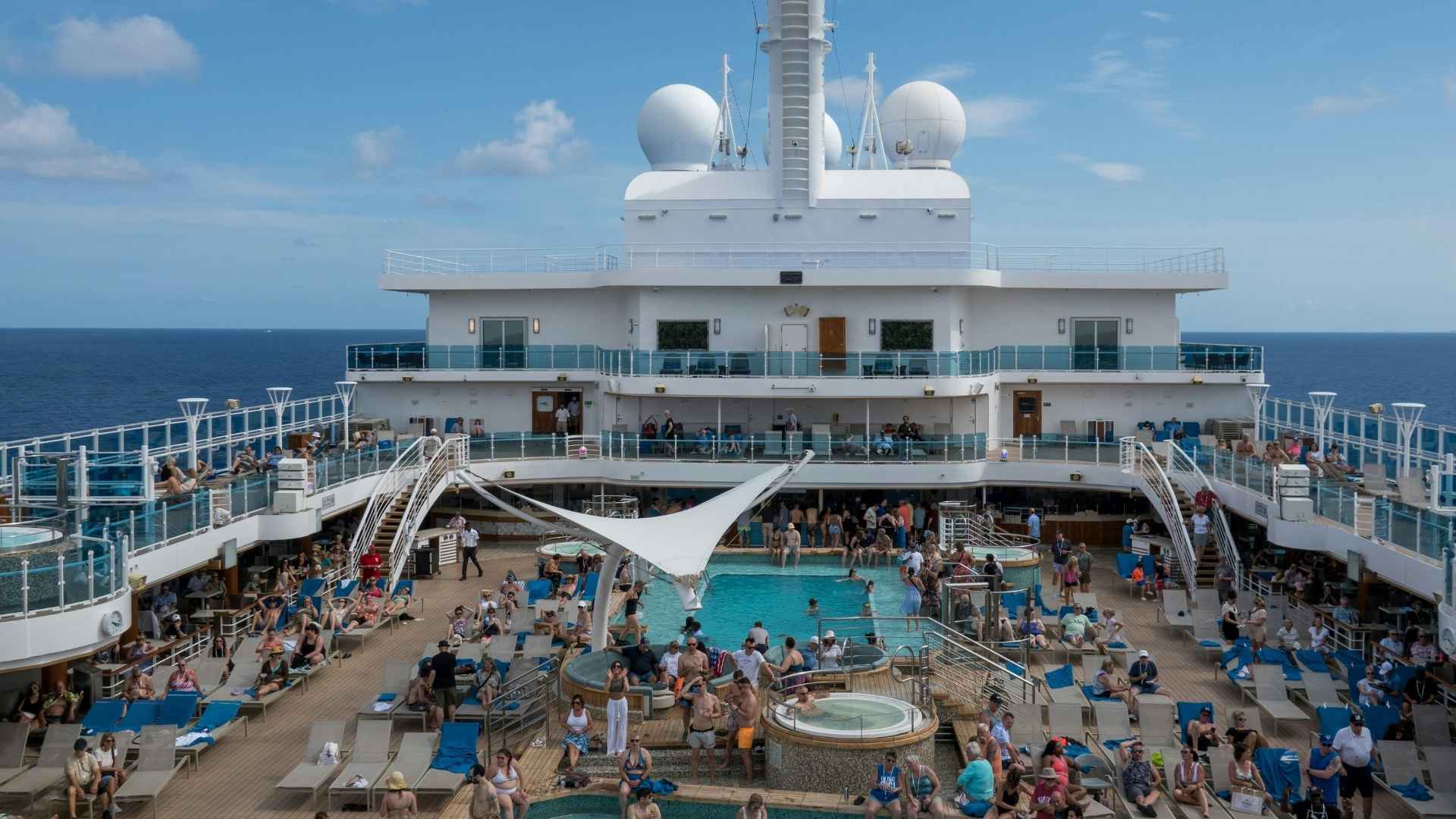
Cruise ships are designed with a wide variety of activities to keep passengers engaged: from pools, spas and fitness centers to theaters, shopping, dining and other entertainment venues like arcades or live-music areas. Monitoring passenger movement allows cruise operators to better map passenger flow and allocate resources based on demand.
If a dining area or bar becomes overcrowded, staff can be redirected to manage service or guide passengers toward less busy venues. Conversely, if a pool deck or lounge is underutilized, operators can promote activities or adjust lighting and music to attract more guests.
Onboard events and mealtimes are also critical moments when crowding can become an issue. When large groups gather, certain areas can become overcrowded, negatively impacting guest experience and staff efficiency.
How 3D LiDAR Works for Cruise Passenger Flow Analysis
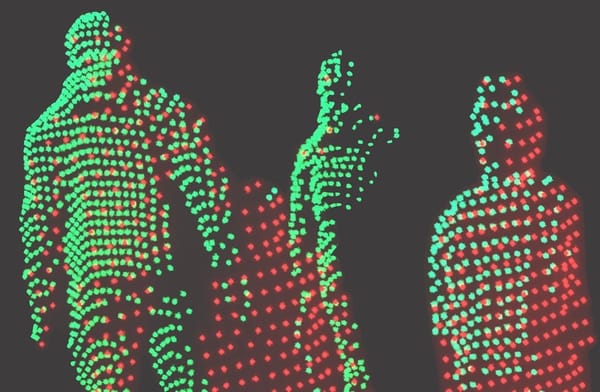
3D LiDAR (Light Detection and Ranging) is a technology that uses laser light and enables the creation of highly detailed, accurate 3D maps of an environment. In the context of a cruise ship, LiDAR sensors are strategically placed around the ship to continuously scan and track passenger movement.
For cruise ships, this technology is ideal. Ships often operate in low-light environments, and LiDAR’s active sensing capabilities enable it to work seamlessly in the dark, unlike cameras that require lighting.
LiDAR’s ability to detect movement with centimeter-level precision makes it ideal for monitoring crowded areas, ensuring that potential issues can be addressed before they affect the passenger experience.
 Anne-Sophie Dubois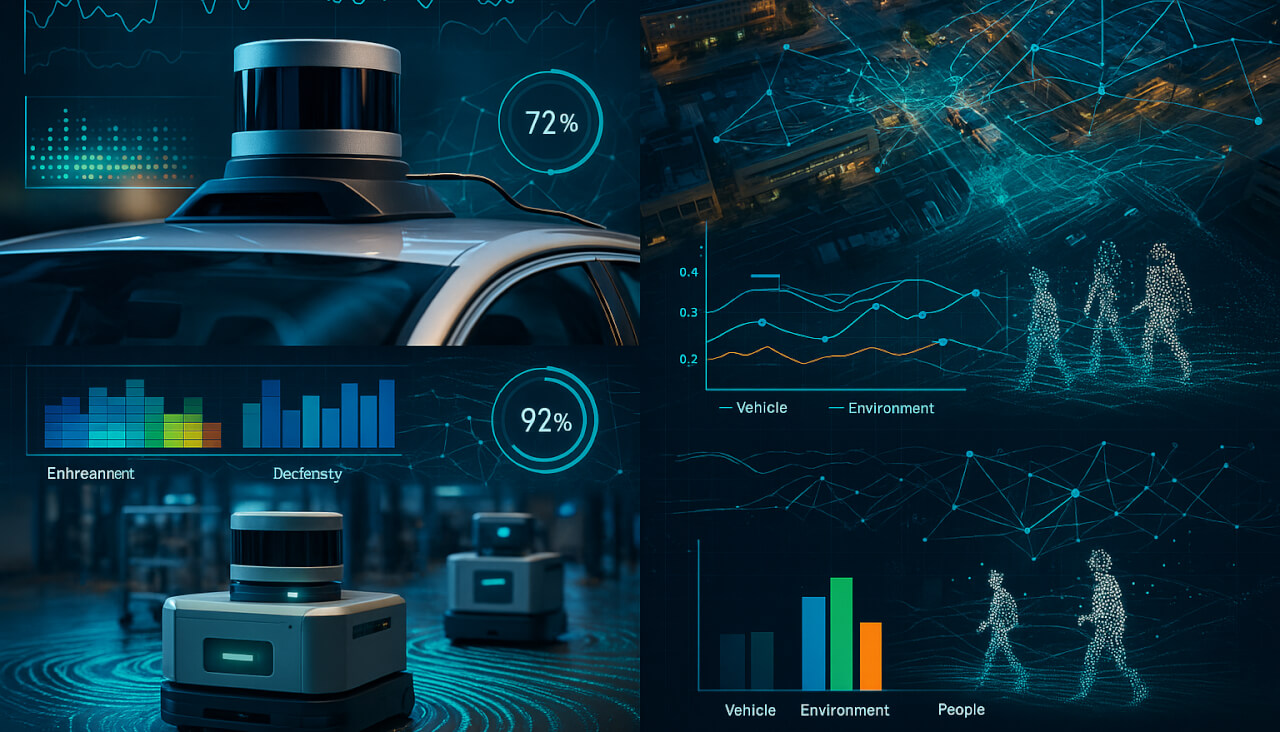
Learn more about what is LiDAR and how it works
Additional Benefits of 3D LiDAR Technology in Cruise Ships
Implementing 3D LiDAR technology on cruise ships offers several other benefits, including:
- Improved resource management: Understanding passenger flows enables better allocation of staff and resources, reducing bottlenecks and waiting times.
- Enhanced security: LiDAR provides real-time monitoring to detect unauthorized access or unusual patterns. When integrated with PTZ cameras, it enables automated alerts and focused responses for faster, more precise security action.
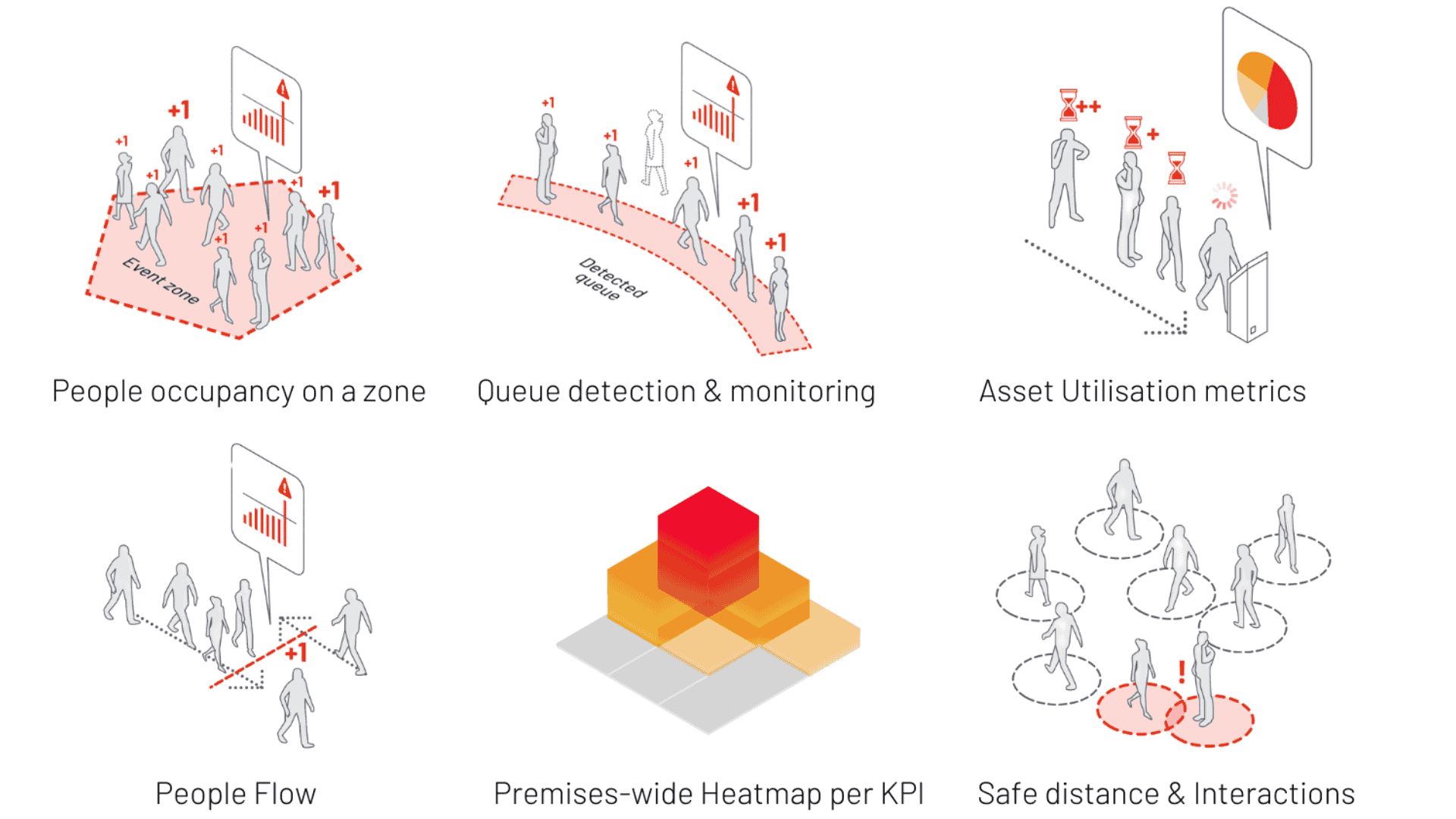
- Dwell time insights: Operators can gain precise data on where passengers spend the most time, whether at restaurants, pools, or entertainment areas, helping identify popular zones and potential crowding points. This enables proactive crowd management and better space utilization.
- Cost savings: With real-time insights into operations, cruise operators can optimize staffing levels and reduce inefficiencies, leading to cost savings over time.
- Better guest experiences: A smoother journey with less waiting, less crowding, and a more personalized experience results in higher satisfaction among passengers.
Spatial Intelligence and the Future of Cruise Ship Management
Spatial intelligence is the ability to perceive and analyze the physical space around us in real-time. For cruise ships, spatial intelligence is a game-changer. It allows operators to process LiDAR data, understand passenger behavior, and take action to improve the overall experience.
As the cruise industry continues to evolve, leveraging 3D LiDAR and spatial intelligence will become essential for operators looking to stay ahead. Outsight’s innovative solutions enable cruise ships to not only optimize operations and improve safety but also deliver higher levels of satisfaction for their passengers.
By embracing 3D LiDAR and Spatial Intelligence, cruise operators can enhance operational efficiency, improve safety, and elevate the passenger experience. With real-time data and insights, cruise ships can become smarter, more responsive, and more enjoyable for passengers.